




Books
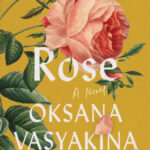
Rose
A Novel
The final book in Oksana Vasyakina’s acclaimed autofiction trilogy that began with Wound and Steppe, Rose tells the story of Vasyakina’s lineage, and the intimacy, pain, and resilience that define womanhood in a patriarchal worldAs a young writer living in Moscow, Oksana Vasyakina tries to solve the riddle of her aunt Svetlana’s short and apparently tragic life. Svetlana was the black sheep of a family of hardworking, hard-drinking women in Siberia. Kind but passionate and destructive, she spent her teenage years minding her niece when she’d rather have been out partying. Her painful early death from tuberculosis seemed entirely preventable—so why did it happen?
In lapidary fragments, Vasyakina pieces together memories of fraught family dinners and nighttime journeys into the woods, travels through Central Asia and depictions of tuberculosis by such artists as Edvard Munch and Thomas Mann. In her telling, Svetlana emerges as an ephemeral bright light whose indifference to her own fate coexisted with an almost childlike purity. The further Vasyakina delves into Svetlana’s story, the more she comes to understand her own inextricable connection to her aunt and the rest of her family, and how crucial it is to her conception of herself, her writing, and her world.
The powerful conclusion of Oksana Vasyakina’s acclaimed trilogy, Rose examines how the definitive relationships of our lives endure in our grief, desire, and melancholy. Heralded as a visionary among her generation of Russophone writers, Vasyakina offers an earnest and lyrical account of what happens when one loses everything—a family, a country—and what it takes to survive in darkness.
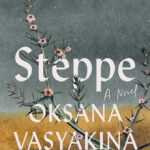
Steppe
A Novel
A visceral, stirring novel following a queer literature student traveling across Russia with her estranged father, a long haul truck driver secretly dying of AIDS, from the acclaimed author of WoundA decade after her father walks out on her family, the narrator of Steppe, now a literature student, goes on the road with him as he makes deliveries across the vast plains of Russia. She’s both drawn to and repulsed by his rugged life as a trucker, eager to understand the person who made her.
But the prematurely aged, embittered man secretly being consumed by AIDS who meets her at the train station has little revelation to offer her yearning heart. As he drives her across desolate landscapes in his freight truck, the narrator tugs on the few threads that make him her family, and reflects on her father’s small role in Russia’s violent patriarchal structure and the chaos and depravity of the post-Soviet 1990s. Always humming in the background, the austere beauty and mercurial nature of the steppe reminds her of the contradictions at the heart of their relationship—both natural and forced, intimate and alienated.
Oksana Vasyakina’s second novel pierces the surface of human relations and reaches into the depths of shame, longing, and grief that lie beneath. In simple, precise prose, she paints a vivid portrait of estrangement and situates it in the broader context of her country’s attempts to reckon with its troubled history.
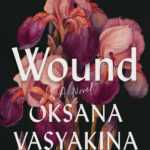
Wound
A Novel
Finalist for the Ferro-Grumley Award for LGBTQ FictionFor fans of Maggie Nelson and Eileen Myles, the lyrical and deeply moving story of a young queer woman’s journey across Russia to inter her mother’s ashes and to understand her sexuality, femininity, and grief
From one of Russia’s most exciting new voices, Wound follows a young lesbian poet on a journey from Moscow to her hometown in Siberia, where she has promised to bury her mother’s ashes. Woven throughout this fascinating travel narrative are harrowing and at times sublime memories of her childhood and her sexual and artistic awakening. As she carefully documents her grief and interrogates her past, the narrator of Oksana Vasyakina’s autobiographical novel meditates on queerness, death, and love and finds new words for understanding her relationship with her mother, her country, her sexuality, and her identity as an artist.
A sensual, whip-smart account of the complicated dynamics of queer life in present-day Siberia and Moscow, Wound is also in conversation with feminist thinkers and artists, including Susan Sontag, Louise Bourgeois, and Monique Wittig, locating Vasyakina’s work in a rich and exciting international literary tradition.