




Book Description
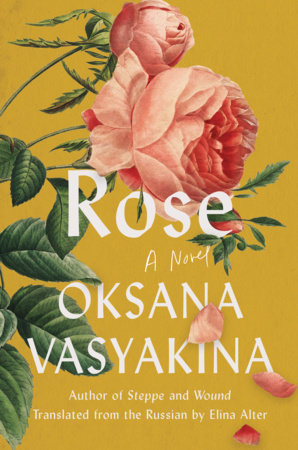
The final book in Oksana Vasyakina’s acclaimed autofiction trilogy that began with Wound and Steppe, Rose tells the story of Vasyakina’s lineage, and the intimacy, pain, and resilience that define womanhood in a patriarchal world
As a young writer living in Moscow, Oksana Vasyakina tries to solve the riddle of her aunt Svetlana’s short and apparently tragic life. Svetlana was the black sheep of a family of hardworking, hard-drinking women in Siberia. Kind but passionate and destructive, she spent her teenage years minding her niece when she’d rather have been out partying. Her painful early death from tuberculosis seemed entirely preventable—so why did it happen?
In lapidary fragments, Vasyakina pieces together memories of fraught family dinners and nighttime journeys into the woods, travels through Central Asia and depictions of tuberculosis by such artists as Edvard Munch and Thomas Mann. In her telling, Svetlana emerges as an ephemeral bright light whose indifference to her own fate coexisted with an almost childlike purity. The further Vasyakina delves into Svetlana’s story, the more she comes to understand her own inextricable connection to her aunt and the rest of her family, and how crucial it is to her conception of herself, her writing, and her world.
The powerful conclusion of Oksana Vasyakina’s acclaimed trilogy, Rose examines how the definitive relationships of our lives endure in our grief, desire, and melancholy. Heralded as a visionary among her generation of Russophone writers, Vasyakina offers an earnest and lyrical account of what happens when one loses everything—a family, a country—and what it takes to survive in darkness.